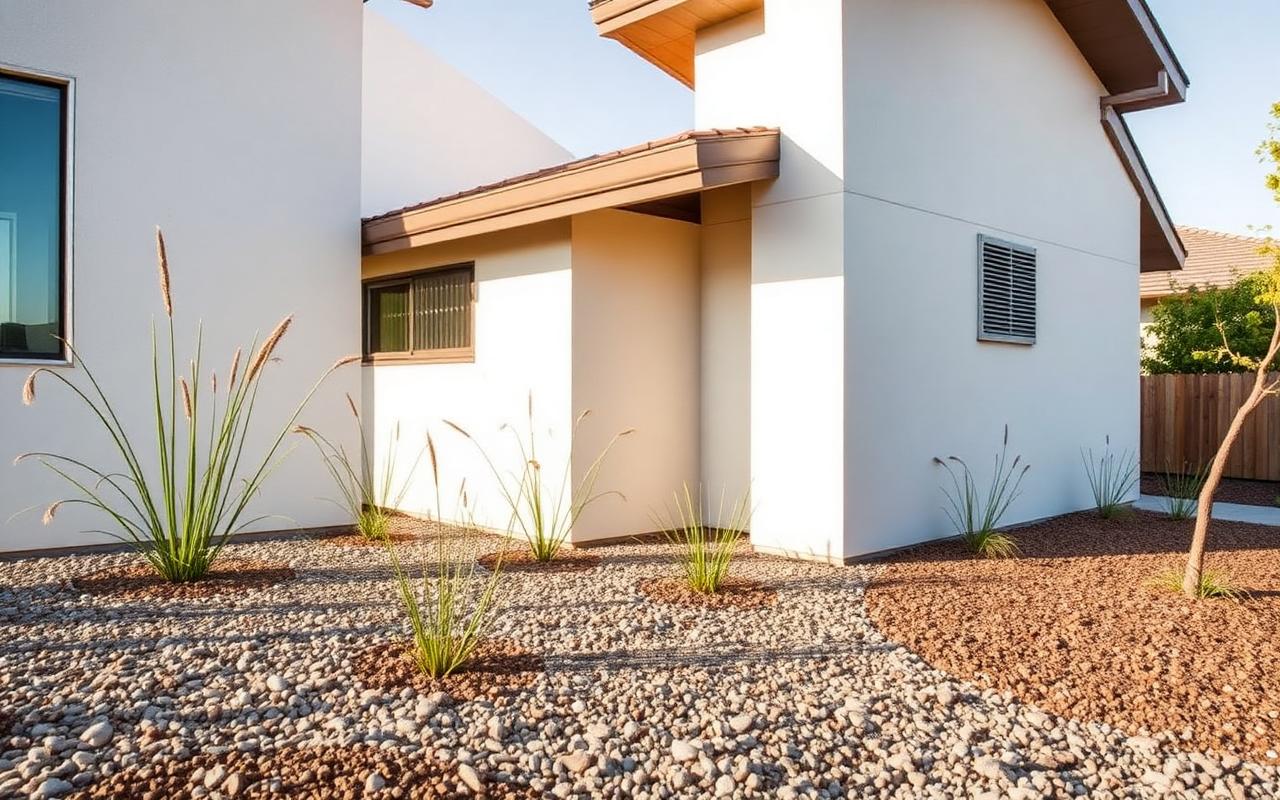
Zone 0 Compliance & Ember-Resistant Hardening
California's new ember-resistant zone takes effect for existing structures in Very High Fire Hazard Severity Zones starting 2027. Get ahead of the deadline with vetted local contractors.
Get your free property assessment
Free • No obligation • Vetted local contractors
Overview
What Is Zone 0?
Last updated: May 8, 2026
Regulatory information on this page is provided for general guidance and may not reflect the most current requirements. Always verify specific deadlines, fees, and compliance procedures with CAL FIRE (fire.ca.gov), San Bernardino County Fire Protection District, or your local fire authority before making compliance decisions.
Zone 0 is the first 5 feet around any structure — the ember-resistant zone. Created by AB 3074 (signed 2020), it requires that the immediate perimeter of the home be free of all combustible materials: no wood mulch, no flammable plants, no combustible fencing touching the structure, no stored firewood.
Enforcement is being phased in: new construction in VHFHSZs starting 2026, and existing structures starting 2027–2028. Zone 0 matters because ember intrusion — not direct flame — is responsible for the majority of home losses in California wildfires. A clean 5-foot perimeter dramatically reduces ignition risk.
Read our complete guide to AB 3074 →
Sources: AB 3074 (California Legislature) · CAL FIRE — PRC 4291
Triggers
When do you need Zone 0 compliance?
New construction and substantial remodels in fire hazard zones must already meet Zone 0 standards.
Get ahead of statewide enforcement for existing homes — the cheapest time to harden is before it is mandatory.
Carriers including CSAA, State Farm, and the FAIR Plan increasingly request Zone 0 documentation at renewal.
AB 38 disclosures and modern buyer due diligence increasingly include Zone 0 status. Hardening now improves marketability.
Scope
What's included in Zone 0 compliance?
- Removal of combustible bark mulch and wood chips within 5 feet
- Replacement with hardscape: gravel, pavers, stone, or concrete
- Removal of flammable plants and shrubs against the structure
- Ember-resistant landscape installation at the perimeter
- Fence material assessment (wood-to-structure connections)
- Propane tank clearance verification per CAL FIRE
- Stored-firewood relocation and combustible furniture review
- Documentation suitable for insurance and AB 38 disclosure
Pricing
How much does Zone 0 compliance cost in San Bernardino County?
Zone 0 work varies dramatically by scope. Simple hardscape conversions on smaller homes typically fall in a moderate range. Comprehensive Zone 0 retrofits — including fence replacement, full ember-resistant landscape installation, and significant material upgrades — can range higher depending on square footage and material choices. Free on-site estimates from vetted contractors.
| Approach | Description | Cost Range | Compliance Level |
|---|---|---|---|
| Gravel Conversion | Replace mulch/plants with gravel or DG | Lower hundreds to $2,000 | Meets minimum AB 3074 |
| Hardscape with Limited Plantings | Pavers/stone with select succulents | $2,500 – $8,000 | Meets AB 3074 + visual upgrade |
| Comprehensive Zone 0 Design | Full ember-resistant zone redesign | $8,000 – $25,000+ | Premium compliance, insurance benefits |
| Fence Section Replacement | Wood-to-metal fence transition | $1,500 – $5,000 per section | Required for AB 3074 compliance |
Ranges reflect industry-standard estimates. Actual cost depends on linear footage, material selection, and any structural fence/deck modifications.
Process
How does the Zone 0 compliance process work?
Call or submit the form. A vetted local contractor reaches out to understand your property, your timeline, and any active notices.
A licensed contractor walks the property, documents compliance gaps against CAL FIRE and County code, and provides a written estimate at no cost.
Crews complete the scoped work — clearing, hardening, hauling — to meet PRC 4291 and San Bernardino County Code 23.0301–23.0319 requirements.
You receive written documentation suitable for CAL FIRE reinspection, County abatement files, and California insurance carrier renewals.
Service Areas
Which San Bernardino County cities do you serve?
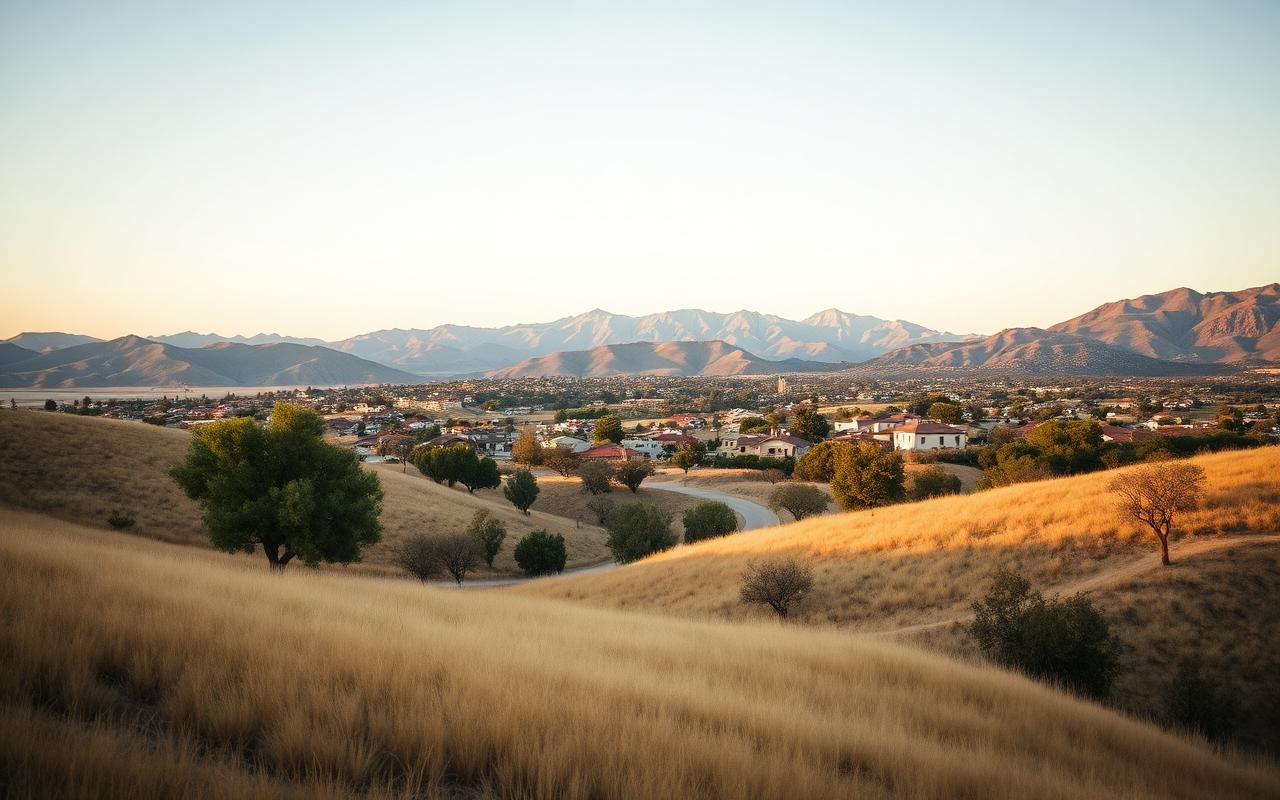
Yucaipa, CA
ZIP 92399
Foothill community at the base of the San Bernardino Mountains. The 2020 El Dorado Fire that killed firefighter Charles Morton burned heavily in this area. Properties throughout Yucaipa face high fire risk requiring annual defensible space compliance.
View Yucaipa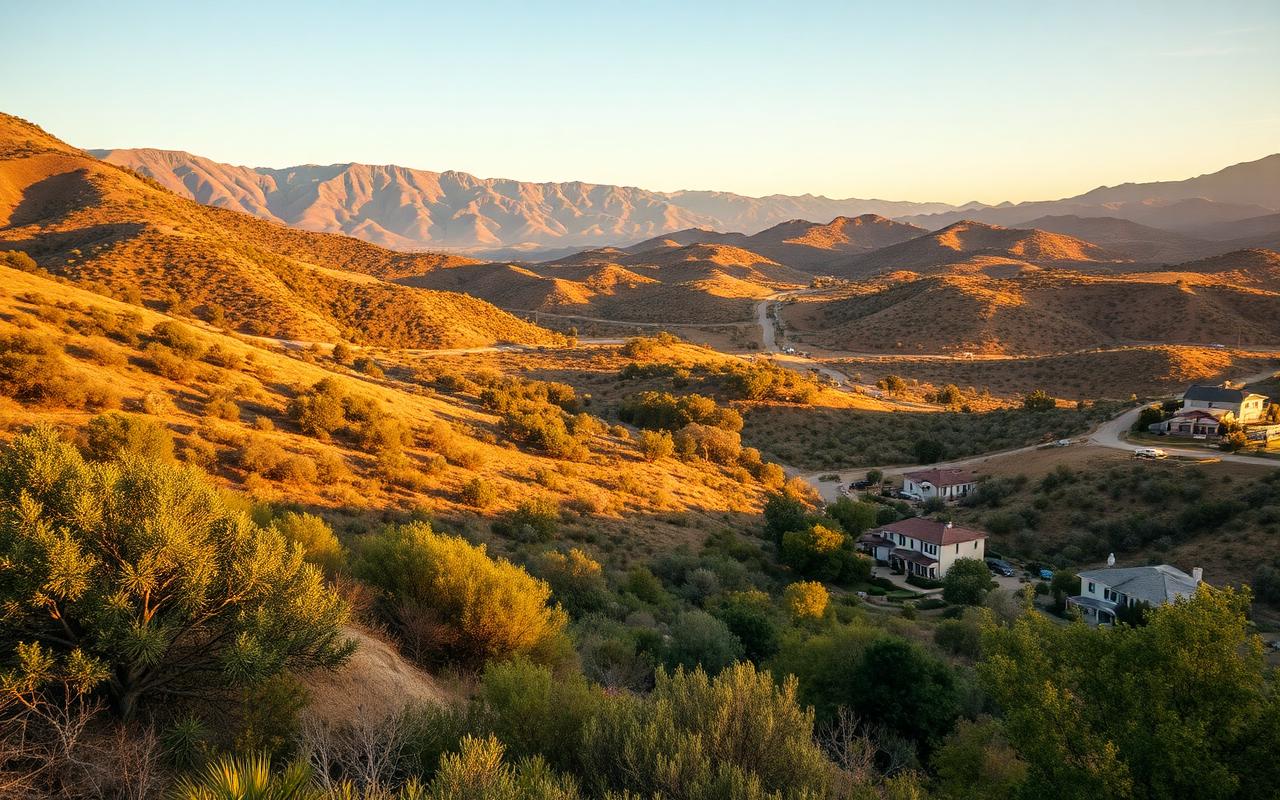
Mentone, CA
ZIP 92359
Unincorporated community between Yucaipa and Forest Falls along the San Bernardino National Forest boundary. Properties face significant wildfire exposure with mandatory defensible space requirements under PRC 4291 and County Code 23.0301-23.0319.
View Mentone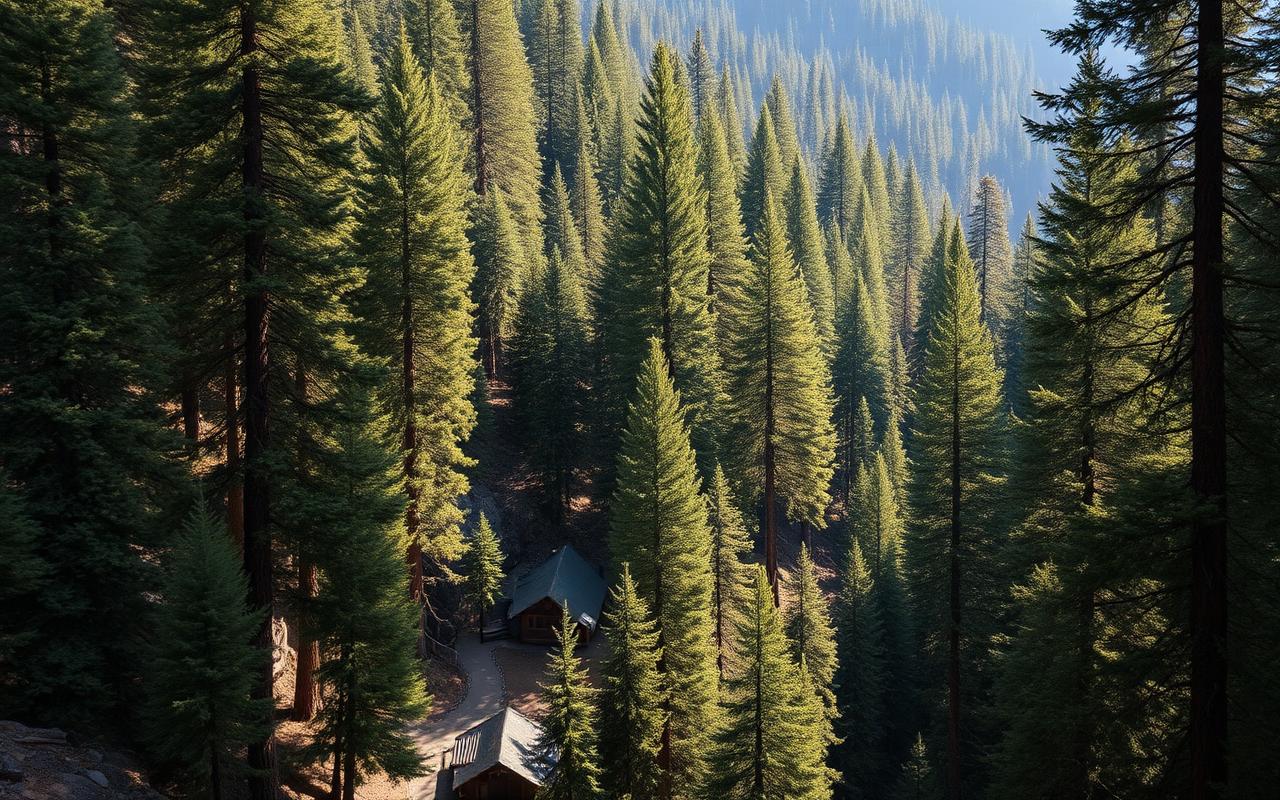
Forest Falls, CA
ZIP 92339
Mountain community within the San Bernardino National Forest. One of California's highest-risk wildfire zones. Properties face annual CAL FIRE inspections and the Mountain Rim Fire Safe Council offers subsidized compliance assistance.
View Forest Falls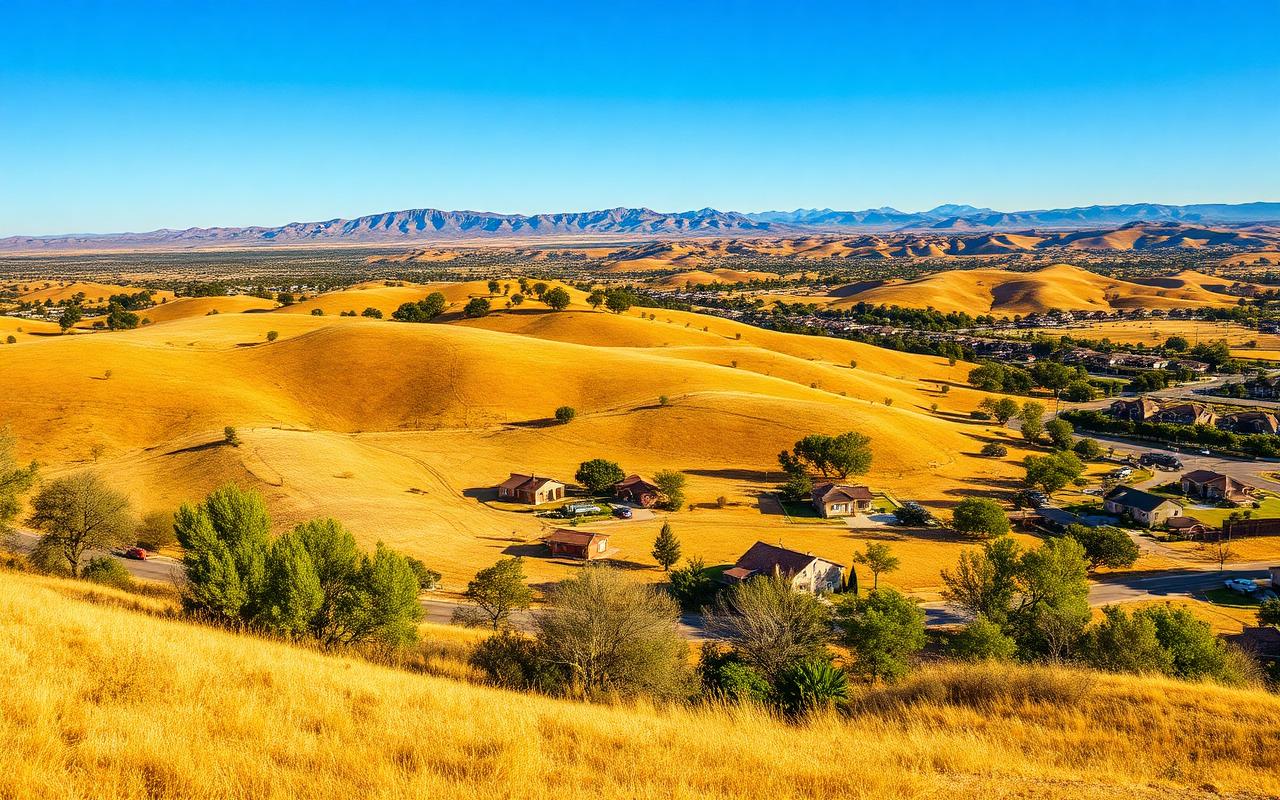
Calimesa, CA
ZIP 92320
Foothill community where the devastating 2019 Sandalwood Fire destroyed 76 structures and killed 2 residents. The fire's spread demonstrated the critical importance of defensible space compliance in this fire-prone area.
View Calimesa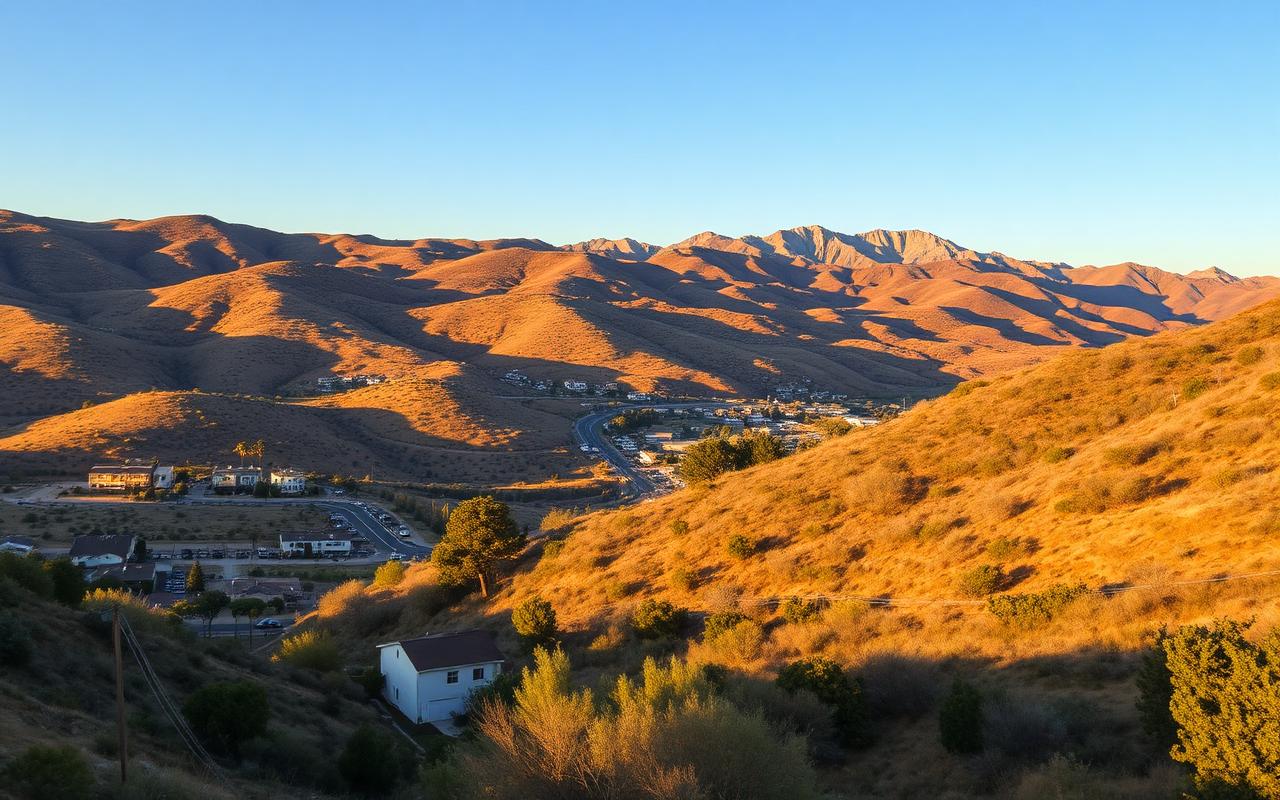
Highland, CA
ZIP 92346
Foothill neighborhoods at the base of the San Bernardino Mountains — East Highlands Ranch and the Greenspot corridor face direct VHFHSZ exposure.
View Highland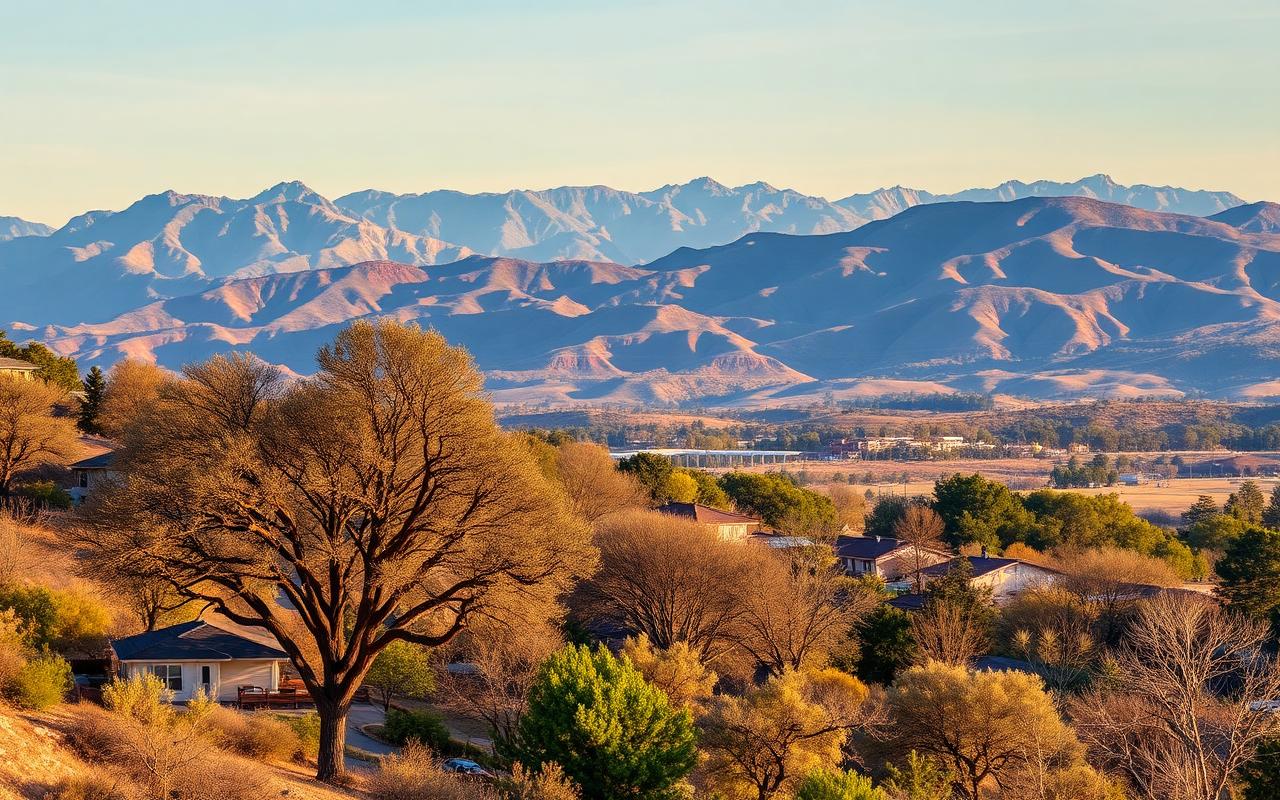
Redlands, CA
ZIP 92373
North Redlands and the Redlands Heights extend into chaparral foothills with Very High Fire Hazard Severity Zone designations.
View Redlands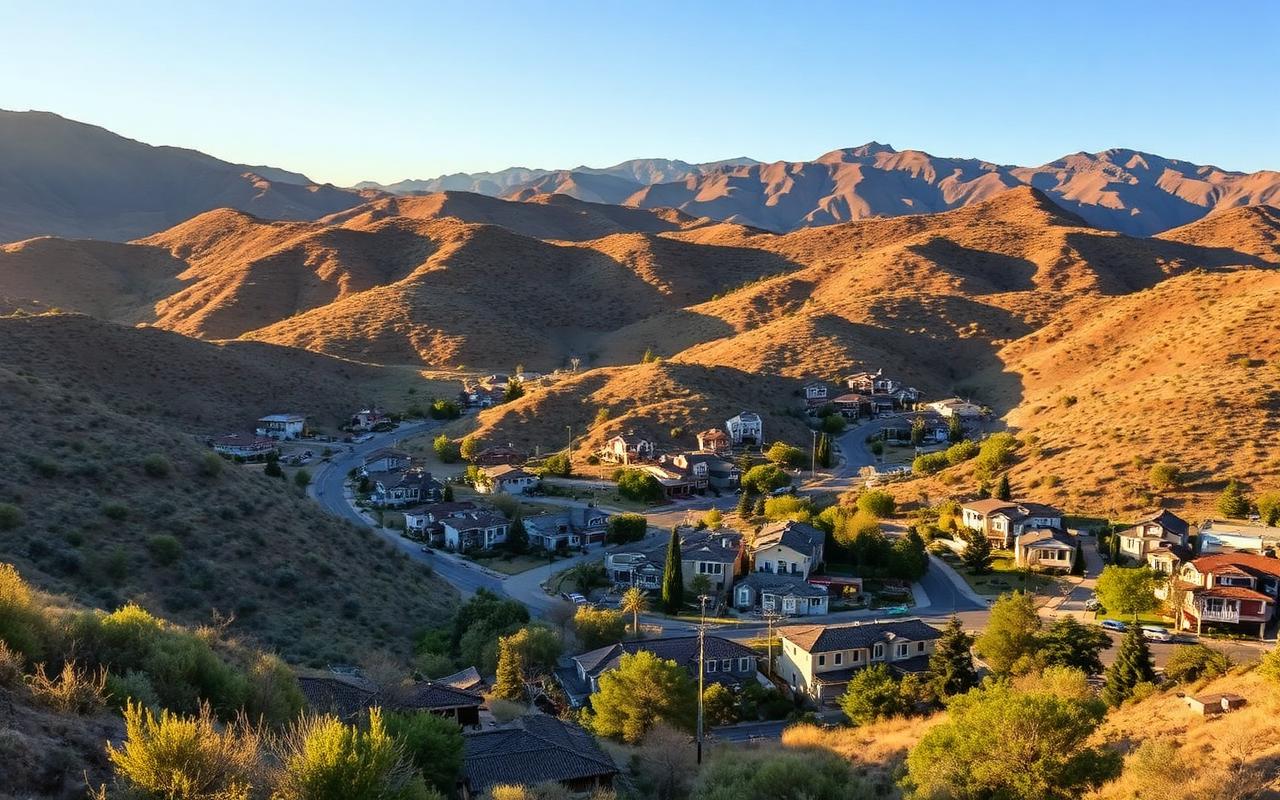
San Bernardino, CA
ZIP 92407
North foothill neighborhoods — Verdemont, Arrowhead Suburban, and the areas above Highway 30 — concentrated foothill fire risk.
View San Bernardino
Rancho Cucamonga, CA
ZIP 91737
Alta Loma and north Rancho Cucamonga sit at the base of the San Gabriel Mountains in significant Very High Fire Hazard Severity Zones.
View Rancho Cucamonga
Chino Hills, CA
ZIP 91709
Built across rolling chaparral hillsides — much of Chino Hills sits in VHFHSZ with extensive wildland-urban interface.
View Chino HillsFAQ
Zone 0 Compliance FAQs
Zone 0 is the first 5 feet around any structure, defined by AB 3074 as the ember-resistant zone. It must contain no combustible mulch, no flammable plants, no stored firewood, and no combustible fencing connecting to the home.
Cal Fire and the State Board of Forestry are phasing enforcement in. New construction in Very High Fire Hazard Severity Zones is already affected. Existing structures in VHFHSZs are expected to come under enforcement in 2027–2028. Check the latest CAL FIRE and Office of the State Fire Marshal guidance for the binding date in your area.
Non-combustible hardscape — gravel, decomposed granite, pavers, stone, brick, concrete — and a limited palette of well-irrigated, low-fuel plants spaced away from the home. Combustible mulch (bark, wood chips, rubber) is not allowed.
Wood fencing that physically connects to a structure can act as a wick for fire and embers. Current AB 3074 guidance recommends a non-combustible section (metal or masonry) for the portion of fence within Zone 0 of the home. Full replacement is not always required.
Yes — increasingly so. California insurance reforms and the new Safer from Wildfires standards explicitly recognize Zone 0 hardening. Documented Zone 0 work can support keeping standard-market coverage and qualifying for mitigation discounts under California Department of Insurance regulations.
Some homeowners handle mulch swaps and small plantings themselves. Larger retrofits — fence replacement, irrigation changes, fire-resistant landscape installation — typically warrant a licensed contractor, both for quality and for documentation that satisfies insurance carriers.
More services
Related services
Get Ahead of the 2027 Zone 0 Deadline
Free on-site Zone 0 estimates from vetted San Bernardino County contractors. Call now or request an assessment.