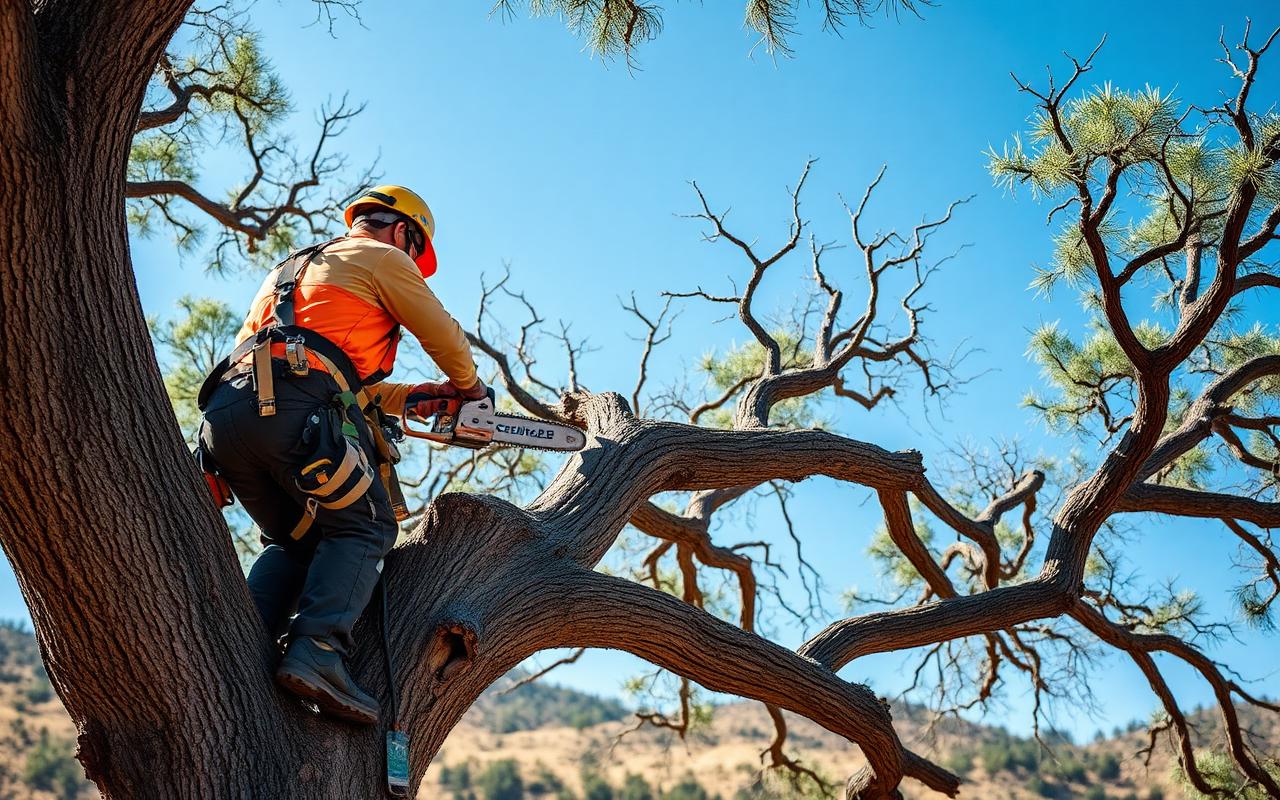
Tree Thinning & Limbing for Fire Defense
Eliminate ladder fuels, achieve required vegetation spacing, and remove hazardous trees per California fire code. Critical for property survival during wildfire.
Get your free property assessment
Free • No obligation • Vetted local contractors
Overview
What Is Tree Thinning & Limbing for Fire Defense?
Last updated: May 8, 2026
Regulatory information on this page is provided for general guidance and may not reflect the most current requirements. Always verify specific deadlines, fees, and compliance procedures with CAL FIRE (fire.ca.gov), San Bernardino County Fire Protection District, or your local fire authority before making compliance decisions.
Tree thinning and limbing for fire defense is selective tree work focused on wildfire mitigation rather than general arboriculture. It removes lower branches (limbing up), thins overcrowded stands, removes dead and dying trees, creates required spacing between tree canopies, and eliminates the ladder fuels that allow fire to climb from grass to shrubs to tree crowns.
Most foothill properties in San Bernardino County have at least one ladder fuel problem — oaks with low brush underneath, pines with dead lower branches, sycamores with overlapping canopies. CAL FIRE inspectors flag these conditions routinely, and unaddressed ladder fuels are a leading cause of crown fire spread into neighborhoods.
Sources: CSLB — C-49 Tree Service License · CAL FIRE — PRC 4291
Triggers
When do you need tree thinning and limbing?
Your defensible space inspection identified low branches or overlapping canopies as a problem.
San Bernardino County issued a notice for dead, dying, or hazardous trees.
Tree branches near roofs, chimneys, or eaves create ember-loading and direct ignition risk.
Drought, bark beetle, and disease have left many local oaks and pines in hazardous condition.
Scope
What's included in tree thinning and limbing?
- Limbing trees up to 6+ feet from the ground per code
- Canopy spacing per CAL FIRE Zone 2 requirements
- Dead and dying tree removal
- Hazardous limb removal near structures and chimneys
- Brush and ladder fuel removal beneath tree canopies
- Debris chipping or hauling and legal disposal
- Stump grinding when needed
- Compliance documentation for CAL FIRE and County files
Pricing
How much does tree thinning and limbing cost in San Bernardino County?
Tree work pricing varies significantly by tree size, accessibility, and scope. Single-tree limbing typically falls in the lower hundreds per tree. Multi-tree thinning and removal projects scale based on count and complexity. Larger or hazardous trees, particularly those near structures or power lines, command higher fees because of specialized equipment and risk.
| Service Tier | Description | Cost Range | License Required |
|---|---|---|---|
| Basic Limbing | Lower branch removal, single tree | $200 – $500 per tree | C-49 (over $1,000 jobs) |
| Canopy Thinning | Multiple trees, fire safety spacing | $1,000 – $3,000 | C-49 |
| Hazard Tree Removal | Dead/dying trees | $500 – $3,000+ per tree | C-49 |
| Comprehensive Tree Plan | Full property tree management | $3,000 – $10,000+ | C-49 |
Ranges reflect industry-standard estimates. Tree size, access, proximity to structures or power lines, and disposal can shift pricing materially.
Process
How does the tree thinning and limbing process work?
Call or submit the form. A vetted local contractor reaches out to understand your property, your timeline, and any active notices.
A licensed contractor walks the property, documents compliance gaps against CAL FIRE and County code, and provides a written estimate at no cost.
Crews complete the scoped work — clearing, hardening, hauling — to meet PRC 4291 and San Bernardino County Code 23.0301–23.0319 requirements.
You receive written documentation suitable for CAL FIRE reinspection, County abatement files, and California insurance carrier renewals.
Service Areas
Which San Bernardino County cities do you serve?
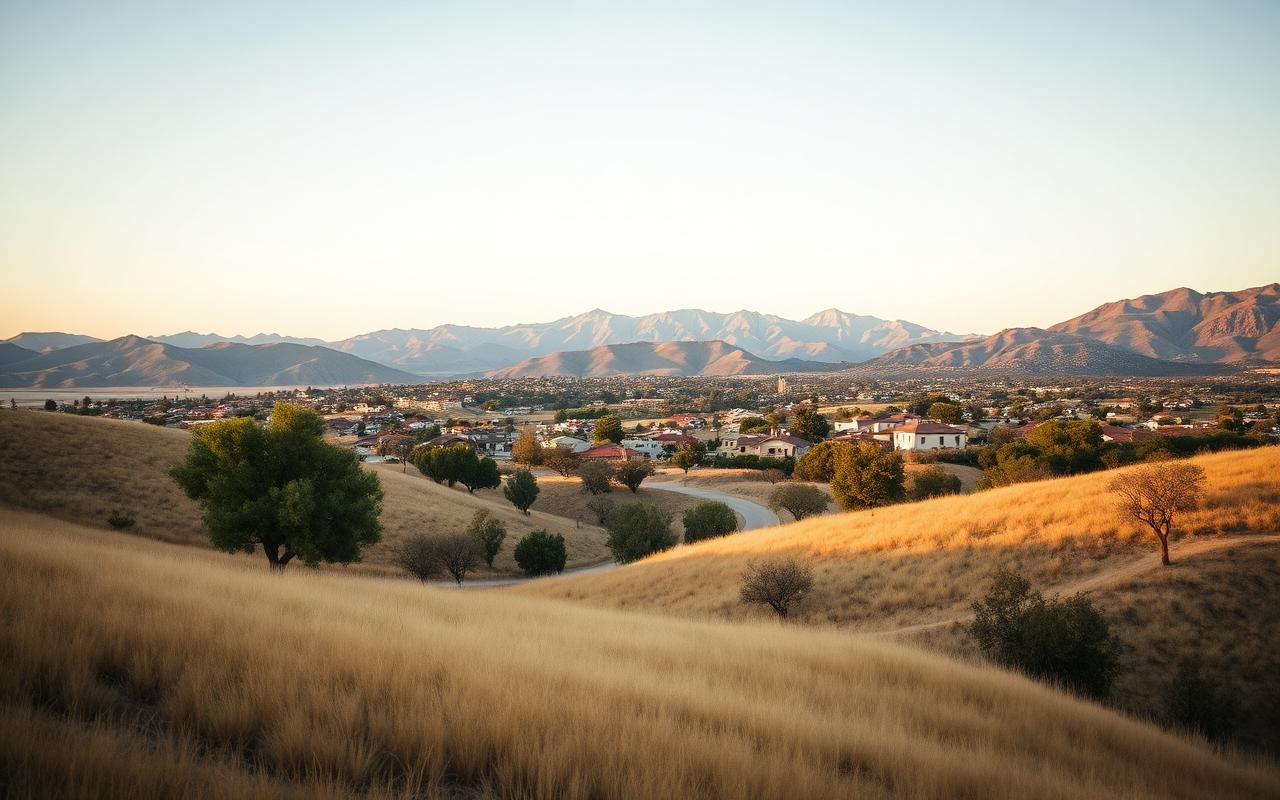
Yucaipa, CA
ZIP 92399
Foothill community at the base of the San Bernardino Mountains. The 2020 El Dorado Fire that killed firefighter Charles Morton burned heavily in this area. Properties throughout Yucaipa face high fire risk requiring annual defensible space compliance.
View Yucaipa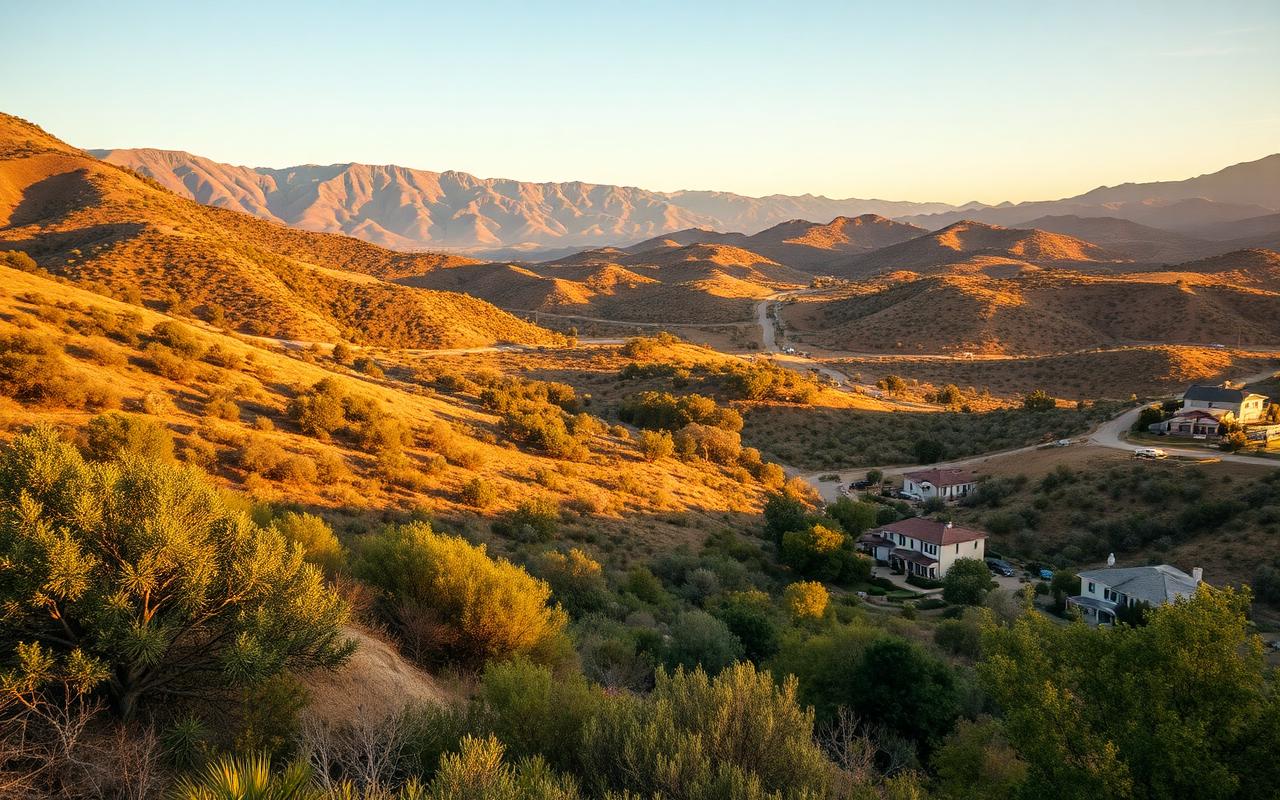
Mentone, CA
ZIP 92359
Unincorporated community between Yucaipa and Forest Falls along the San Bernardino National Forest boundary. Properties face significant wildfire exposure with mandatory defensible space requirements under PRC 4291 and County Code 23.0301-23.0319.
View Mentone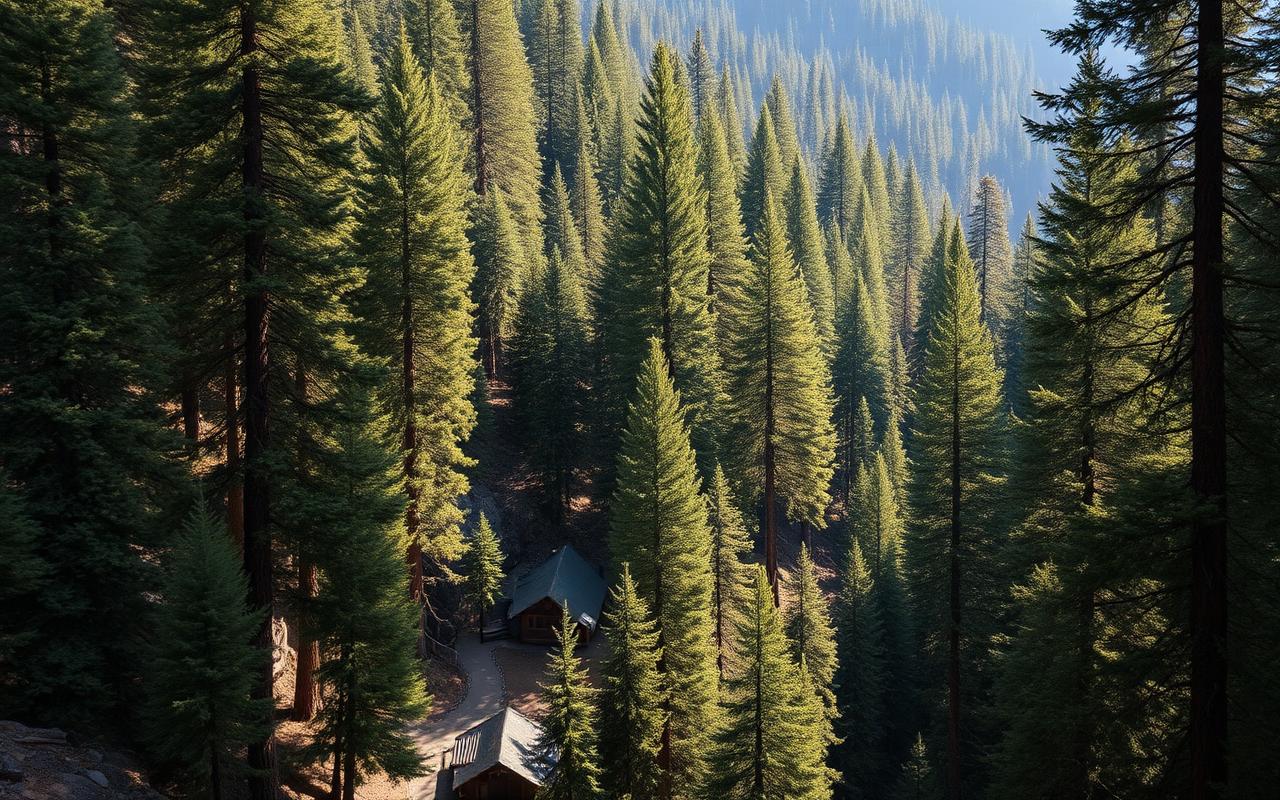
Forest Falls, CA
ZIP 92339
Mountain community within the San Bernardino National Forest. One of California's highest-risk wildfire zones. Properties face annual CAL FIRE inspections and the Mountain Rim Fire Safe Council offers subsidized compliance assistance.
View Forest Falls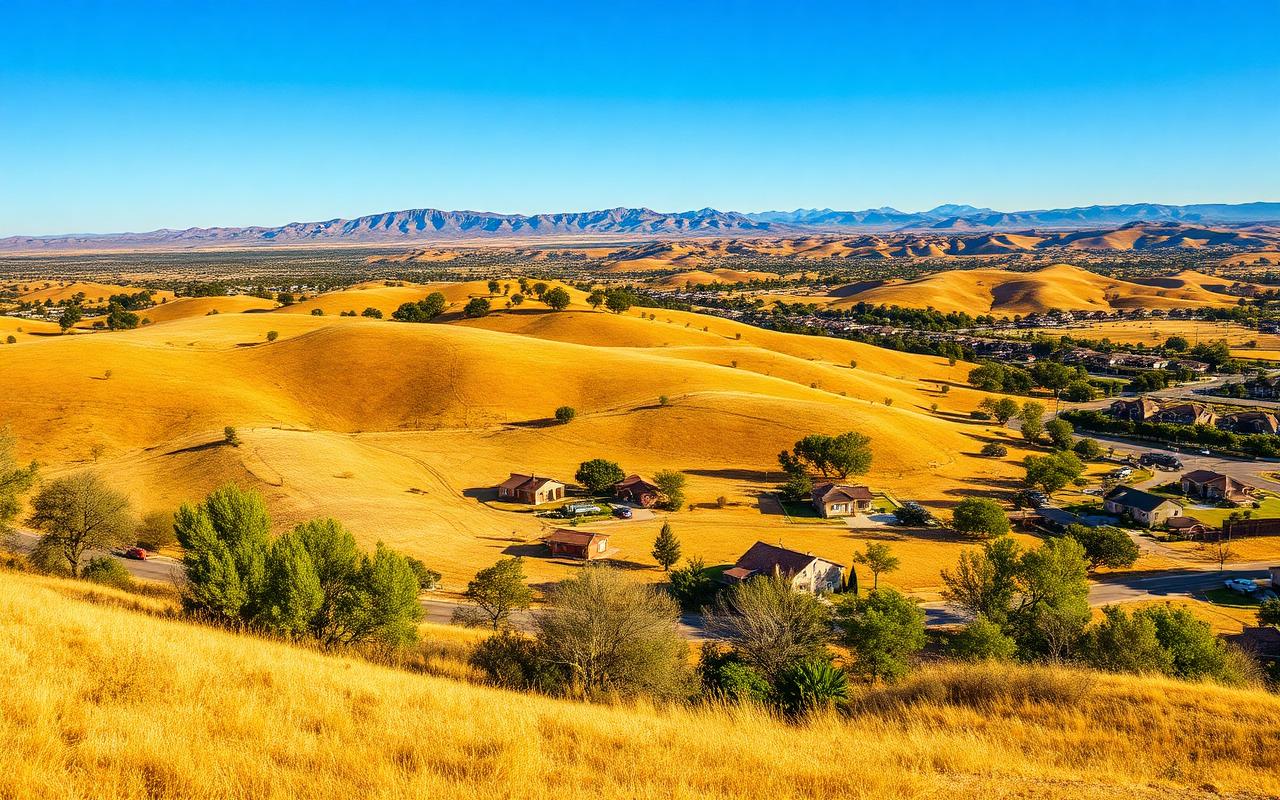
Calimesa, CA
ZIP 92320
Foothill community where the devastating 2019 Sandalwood Fire destroyed 76 structures and killed 2 residents. The fire's spread demonstrated the critical importance of defensible space compliance in this fire-prone area.
View Calimesa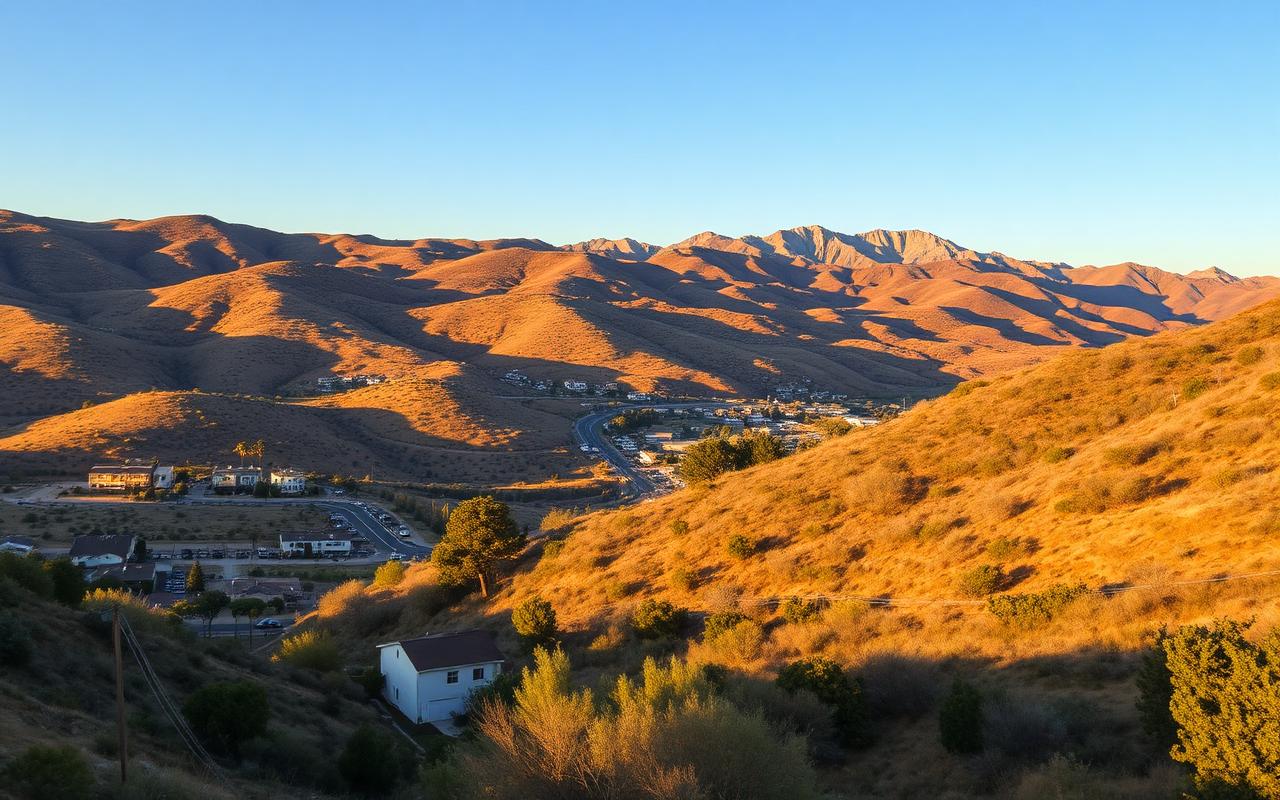
Highland, CA
ZIP 92346
Foothill neighborhoods at the base of the San Bernardino Mountains — East Highlands Ranch and the Greenspot corridor face direct VHFHSZ exposure.
View Highland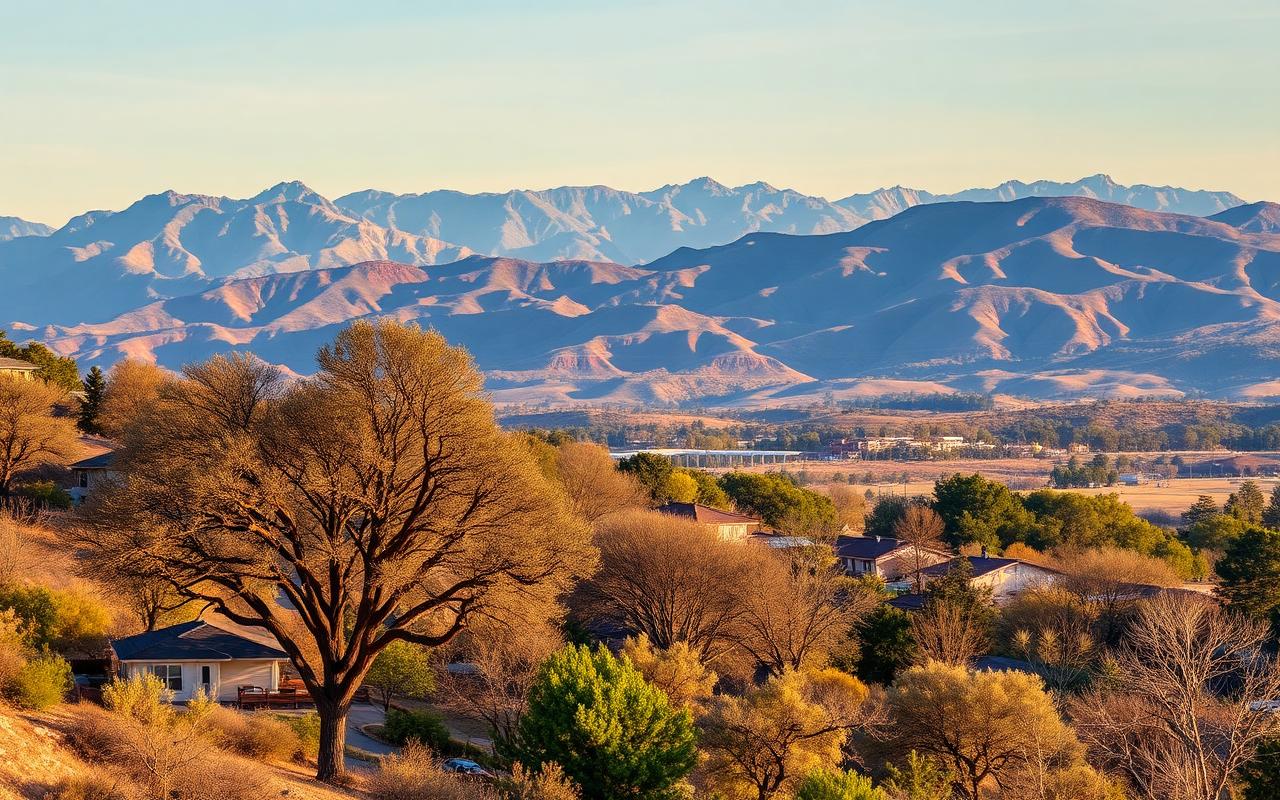
Redlands, CA
ZIP 92373
North Redlands and the Redlands Heights extend into chaparral foothills with Very High Fire Hazard Severity Zone designations.
View Redlands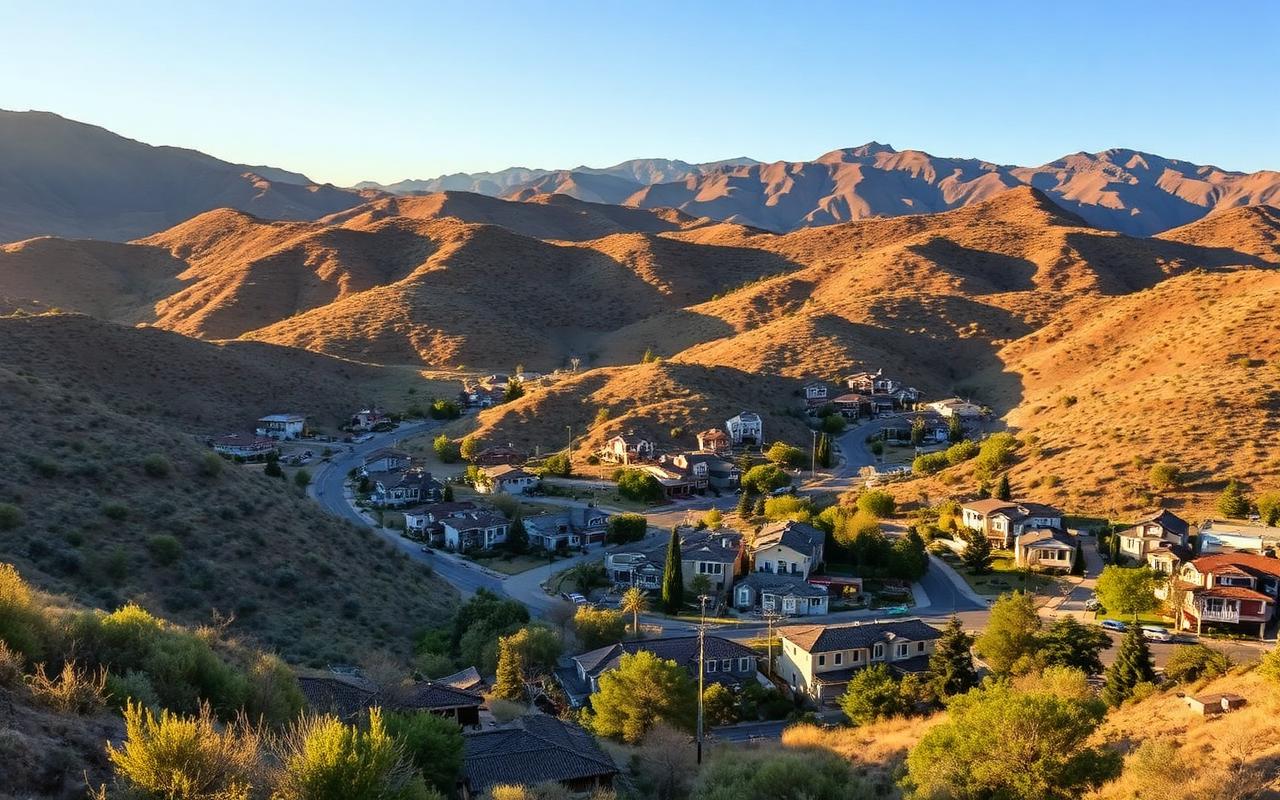
San Bernardino, CA
ZIP 92407
North foothill neighborhoods — Verdemont, Arrowhead Suburban, and the areas above Highway 30 — concentrated foothill fire risk.
View San Bernardino
Rancho Cucamonga, CA
ZIP 91737
Alta Loma and north Rancho Cucamonga sit at the base of the San Gabriel Mountains in significant Very High Fire Hazard Severity Zones.
View Rancho Cucamonga
Chino Hills, CA
ZIP 91709
Built across rolling chaparral hillsides — much of Chino Hills sits in VHFHSZ with extensive wildland-urban interface.
View Chino HillsFAQ
Tree Thinning & Limbing FAQs
A ladder fuel is vegetation that creates a continuous path for fire to climb — for example, dry grass to shrubs to low tree branches to the canopy. Eliminating ladder fuels keeps surface fire from becoming crown fire, which is far harder to control.
CAL FIRE Zone 2 guidance recommends removing tree branches to a height of at least 6 feet from the ground (or one third of total tree height for shorter trees), and ensuring branches are at least 10 feet from chimneys, stovepipes, and structures.
Tree canopy spacing depends on slope. On flat ground, 10 feet between canopies is typical. On steeper slopes, required spacing increases. Mountain Rim Fire Safe Council and CAL FIRE publish spacing guidelines specific to slope class.
Yes — California PRC 4291 specifically requires removal of dead trees and dead vegetation in the defensible space zone. San Bernardino County also separately enforces hazardous tree removal under its fire code.
Yes. Aesthetic tree trimming focuses on shape and clearance. Tree work for fire defense focuses on ladder fuel elimination, canopy spacing, and code compliance — sometimes producing very different results.
Vetted contractors typically offer stump grinding as an add-on. Stumps left in place are not usually a fire risk by themselves, but can interfere with subsequent landscape work.
More services
Related services
Get Your Free Tree Defense Estimate
Vetted licensed contractors and arborists serving San Bernardino County. Call now or request an assessment.