Defensible Space Clearing in San Bernardino County
Comprehensive 100-foot defensible space compliance per California Public Resources Code 4291. Connect with vetted contractors serving Yucaipa, Mentone, Forest Falls, Calimesa, Highland, Redlands, San Bernardino, Rancho Cucamonga, Chino Hills, and surrounding communities.
Get your free property assessment
Free • No obligation • Vetted local contractors
Overview
What Is Defensible Space?
Last updated: May 8, 2026
Regulatory information on this page is provided for general guidance and may not reflect the most current requirements. Always verify specific deadlines, fees, and compliance procedures with CAL FIRE (fire.ca.gov), San Bernardino County Fire Protection District, or your local fire authority before making compliance decisions.
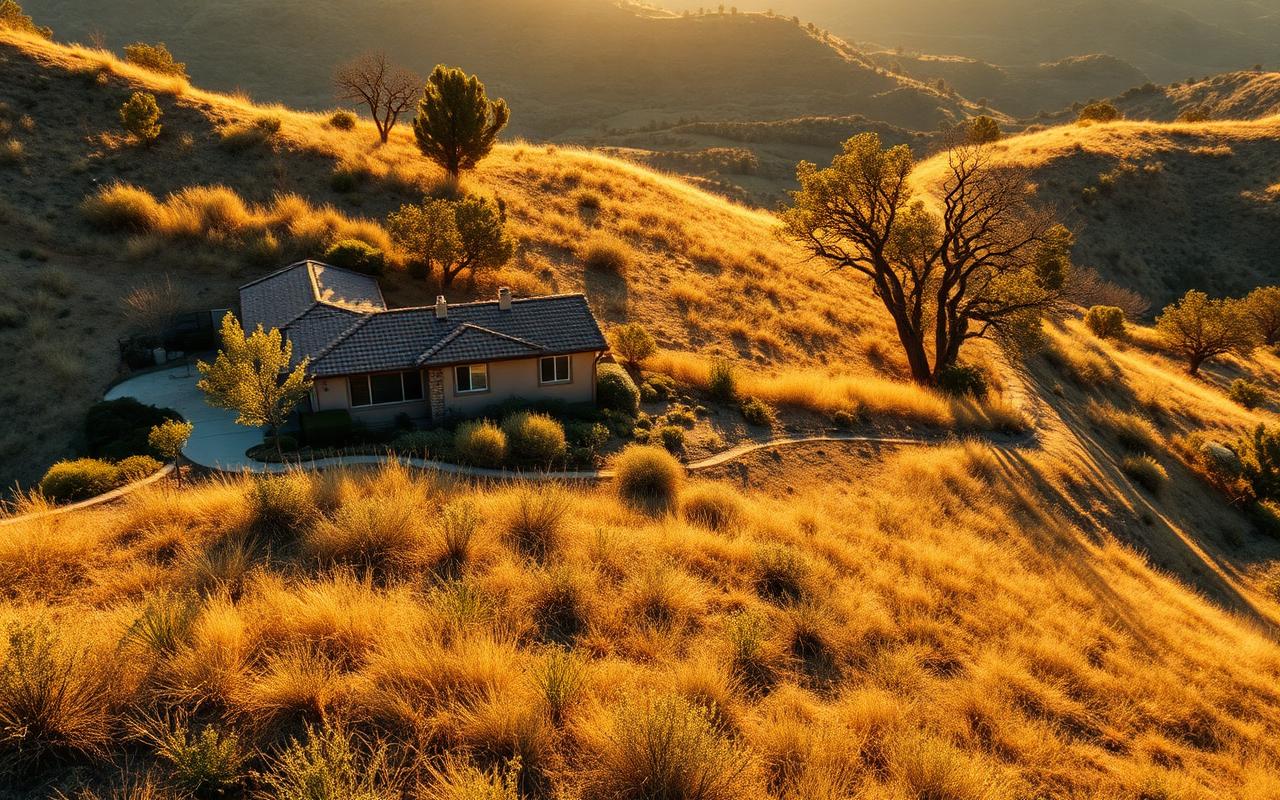
Defensible space is the buffer zone between a structure and the surrounding wildland vegetation. It is required by California Public Resources Code 4291 for every property in a Very High Fire Hazard Severity Zone (VHFHSZ) — which covers most foothill parcels in San Bernardino County.
California organizes defensible space into three zones. Zone 0 is the first 0–5 feet around the home and must be ember-resistant. Zone 1 spans 5–30 feet and is the maintained landscape zone — vegetation kept short, well-spaced, and well-irrigated. Zone 2 runs 30–100 feet and is the reduced fuel zone where grasses are cut to 4 inches, ladder fuels are removed, and tree canopies are spaced.
Properly maintained defensible space dramatically improves a home's chance of surviving a wildfire and is increasingly required by California insurance carriers as a condition of renewal.
Triggers
When do you need defensible space clearing?
Every property in a Very High Fire Hazard Severity Zone is required to maintain 100 feet of defensible space each year.
Received a CAL FIRE Notice of Defensible Space Inspection? You typically have 30 days to comply before reinspection.
San Bernardino County issues 30-day Notices to Abate under Code 23.0301. Failure leads to forced abatement at premium rates plus liens.
Your carrier is requesting documented mitigation work to keep coverage in force or restore non-renewed coverage.
Scope
What's included in defensible space clearing?
- Vegetation removal across Zones 1 and 2
- Weed and grass clearance to 4 inches or less
- Dead and dying tree removal
- Ladder fuel reduction (low branches, brush under trees)
- Tree canopy and shrub spacing per CAL FIRE requirements
- Combustible debris and brush pile removal
- Hauling and legal disposal of all material
- Written compliance documentation for CAL FIRE, County, and insurance
Pricing
How much does defensible space clearing cost in San Bernardino County?
Pricing varies based on lot size, slope, and vegetation density. Quarter-acre to half-acre lots with moderate vegetation generally fall in the lower range. Larger properties or those with steep slopes and heavy chaparral can run significantly higher. Free on-site estimates are available from vetted contractors before any work begins.
| Scope Tier | Typical Property Type | Industry-Standard Cost Range | Typical Duration |
|---|---|---|---|
| Basic Compliance | Small residential lot, minor issues | Lower hundreds to ~$1,500 | 1–2 days |
| Standard Compliance | Mid-sized residential, multiple issues | $1,500 – $4,000 | 2–4 days |
| Comprehensive Defensible Space | Larger property, full 100-foot zone | $4,000 – $10,000+ | 4–7 days |
| Mountain / Steep-Slope Properties | Slope-built homes, access challenges | Premium pricing | Variable |
Ranges reflect industry-standard estimates. Actual costs depend on lot size, slope, vegetation density, access, and the specific scope on your CAL FIRE or County notice.
Process
How does the defensible space clearing process work?
Call or submit the form. A vetted local contractor reaches out to understand your property, your timeline, and any active notices.
A licensed contractor walks the property, documents compliance gaps against CAL FIRE and County code, and provides a written estimate at no cost.
Crews complete the scoped work — clearing, hardening, hauling — to meet PRC 4291 and San Bernardino County Code 23.0301–23.0319 requirements.
You receive written documentation suitable for CAL FIRE reinspection, County abatement files, and California insurance carrier renewals.
Service Areas
Which San Bernardino County cities do you serve?
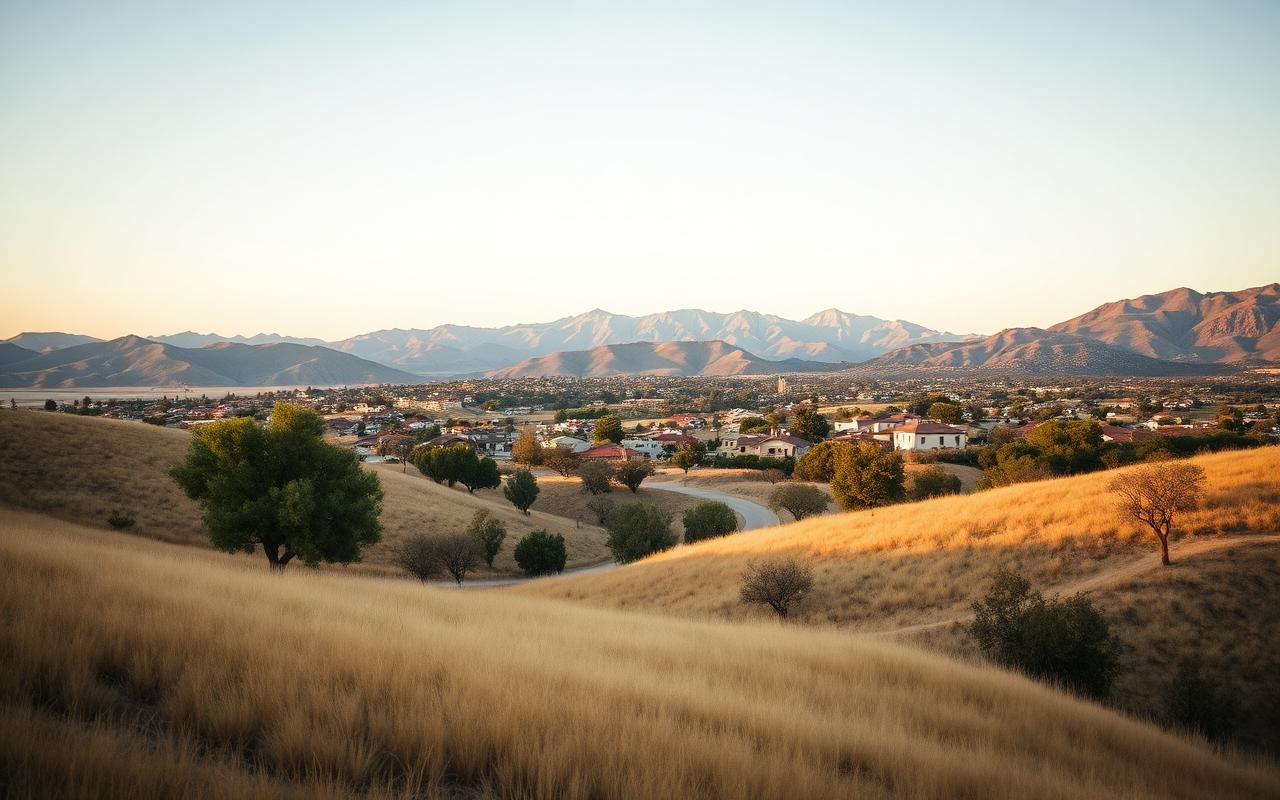
Yucaipa, CA
ZIP 92399
Foothill community at the base of the San Bernardino Mountains. The 2020 El Dorado Fire that killed firefighter Charles Morton burned heavily in this area. Properties throughout Yucaipa face high fire risk requiring annual defensible space compliance.
View Yucaipa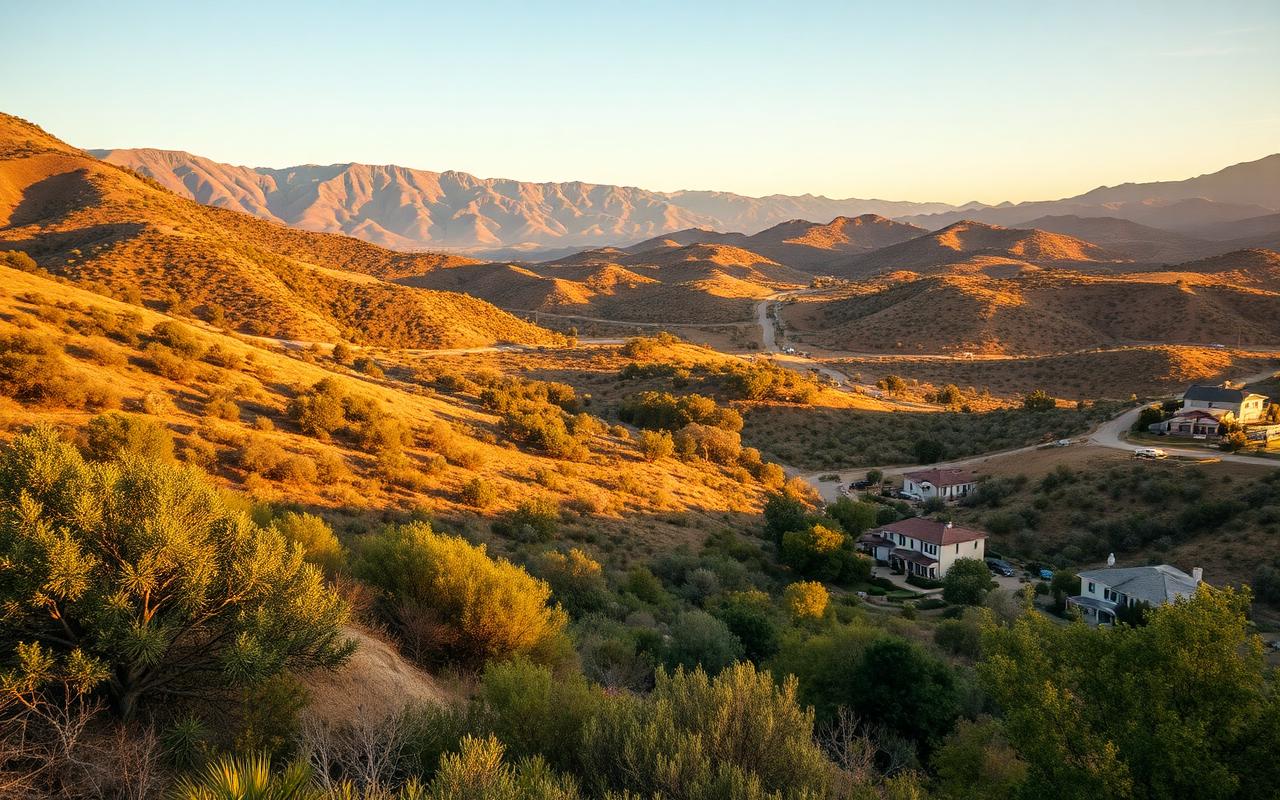
Mentone, CA
ZIP 92359
Unincorporated community between Yucaipa and Forest Falls along the San Bernardino National Forest boundary. Properties face significant wildfire exposure with mandatory defensible space requirements under PRC 4291 and County Code 23.0301-23.0319.
View Mentone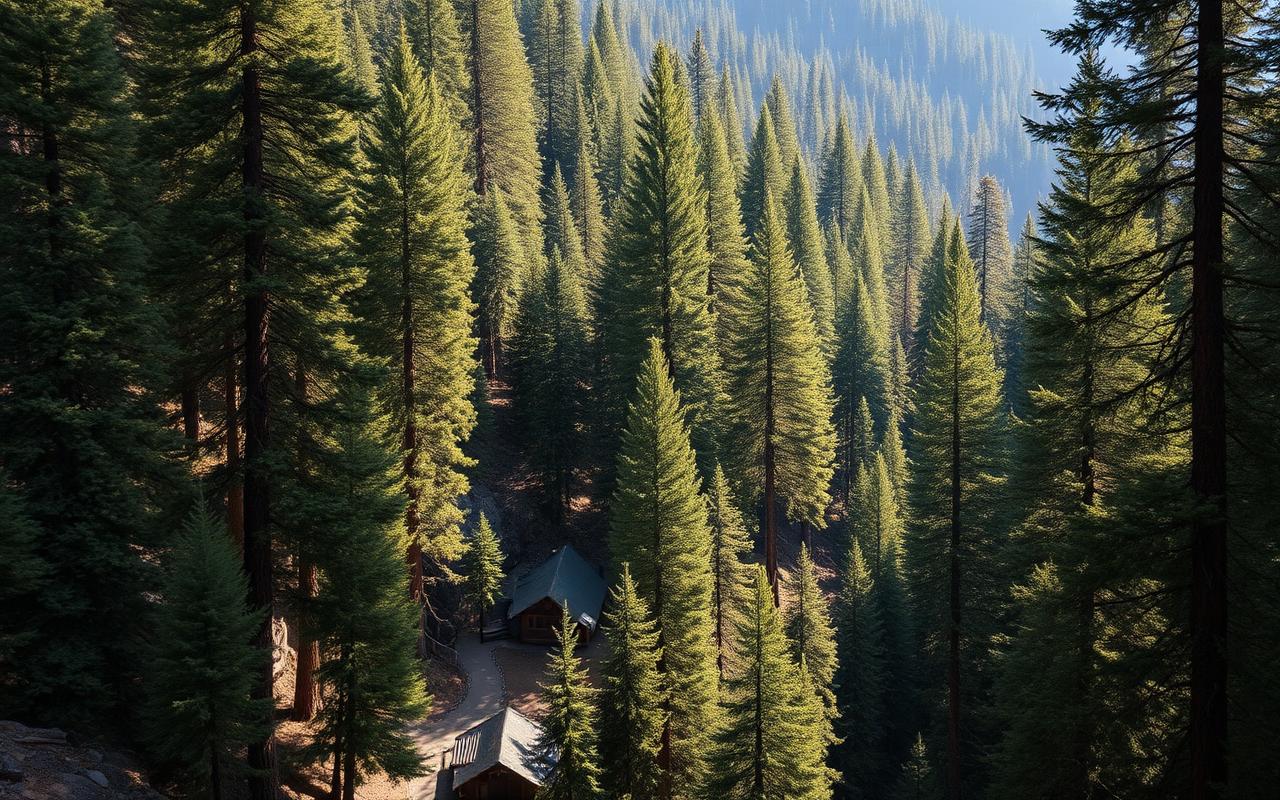
Forest Falls, CA
ZIP 92339
Mountain community within the San Bernardino National Forest. One of California's highest-risk wildfire zones. Properties face annual CAL FIRE inspections and the Mountain Rim Fire Safe Council offers subsidized compliance assistance.
View Forest Falls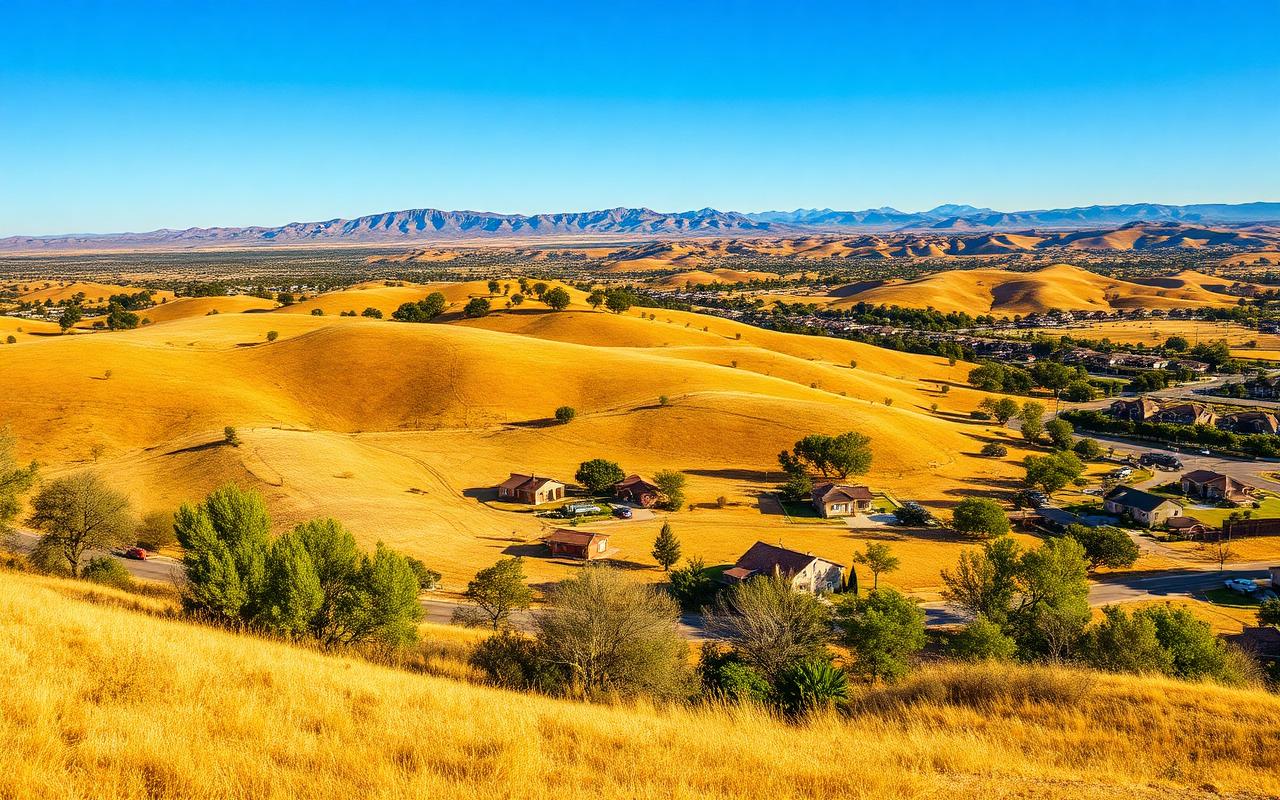
Calimesa, CA
ZIP 92320
Foothill community where the devastating 2019 Sandalwood Fire destroyed 76 structures and killed 2 residents. The fire's spread demonstrated the critical importance of defensible space compliance in this fire-prone area.
View Calimesa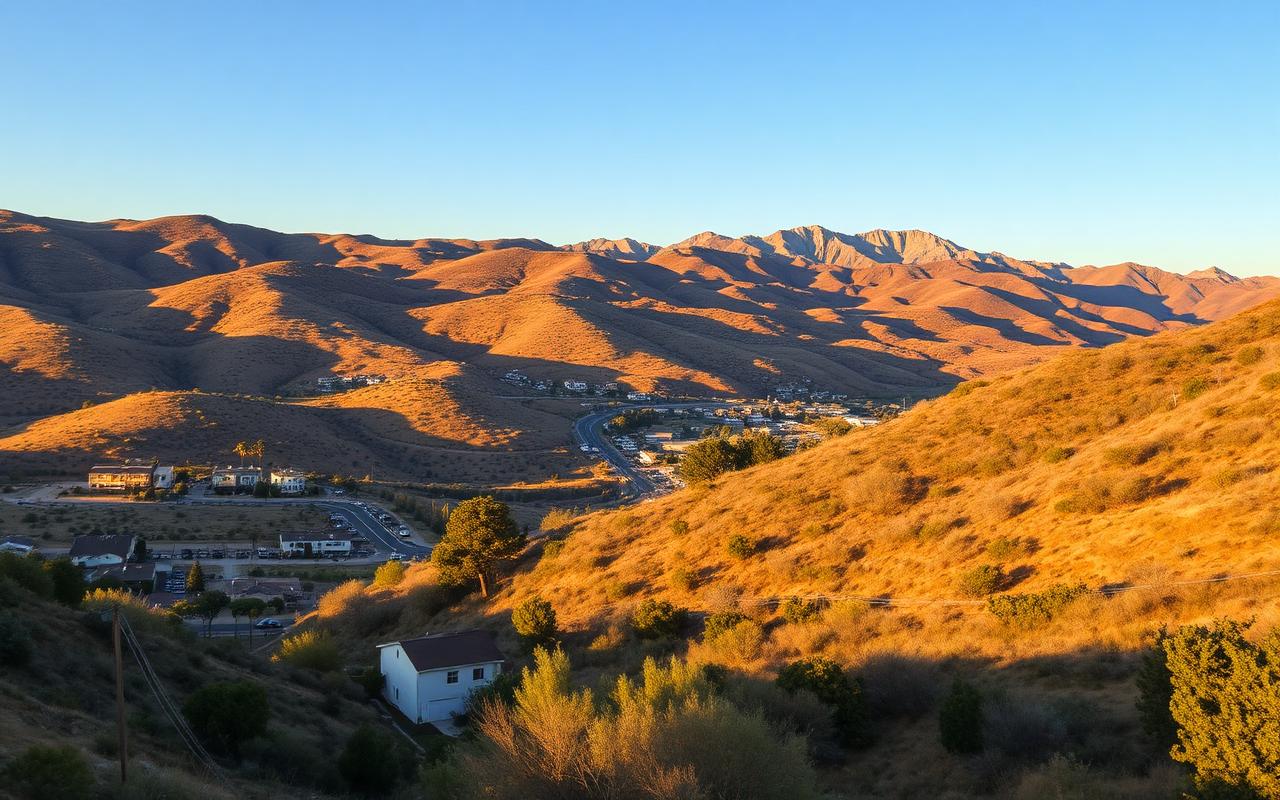
Highland, CA
ZIP 92346
Foothill neighborhoods at the base of the San Bernardino Mountains — East Highlands Ranch and the Greenspot corridor face direct VHFHSZ exposure.
View Highland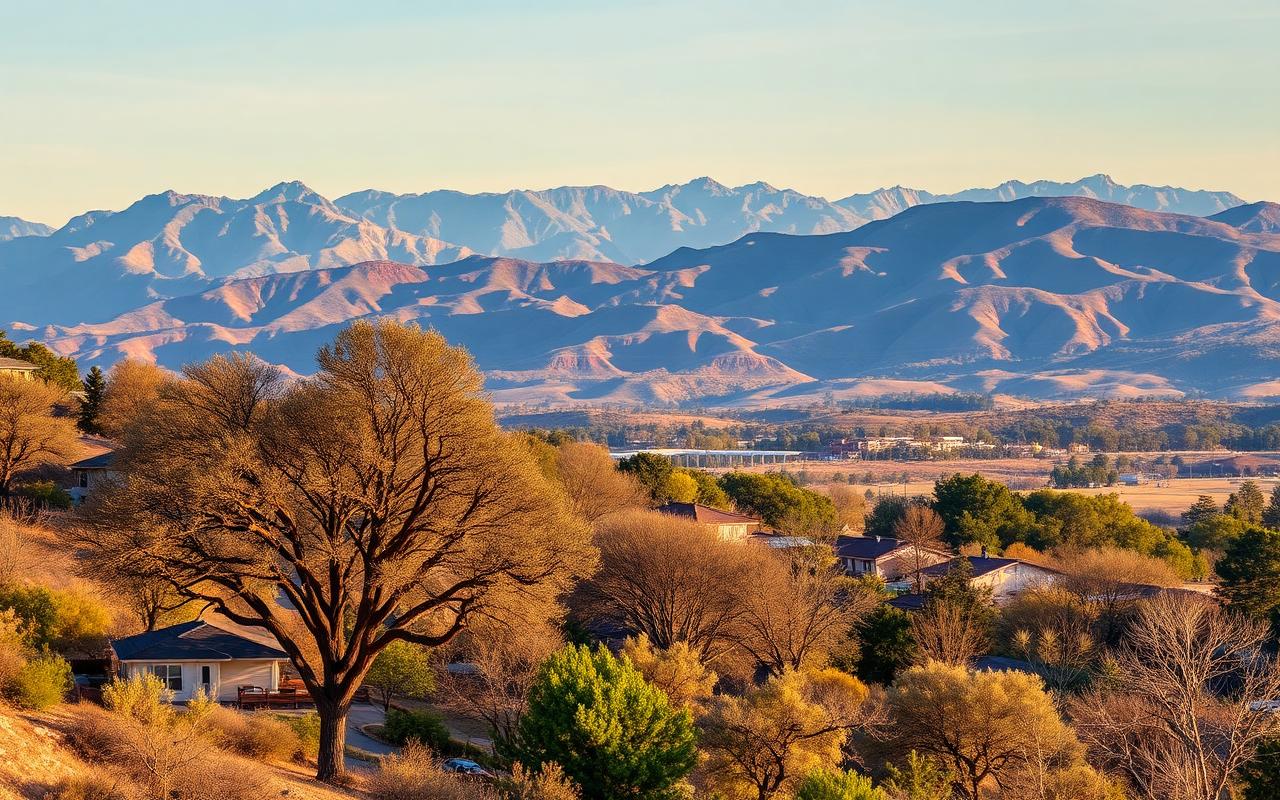
Redlands, CA
ZIP 92373
North Redlands and the Redlands Heights extend into chaparral foothills with Very High Fire Hazard Severity Zone designations.
View Redlands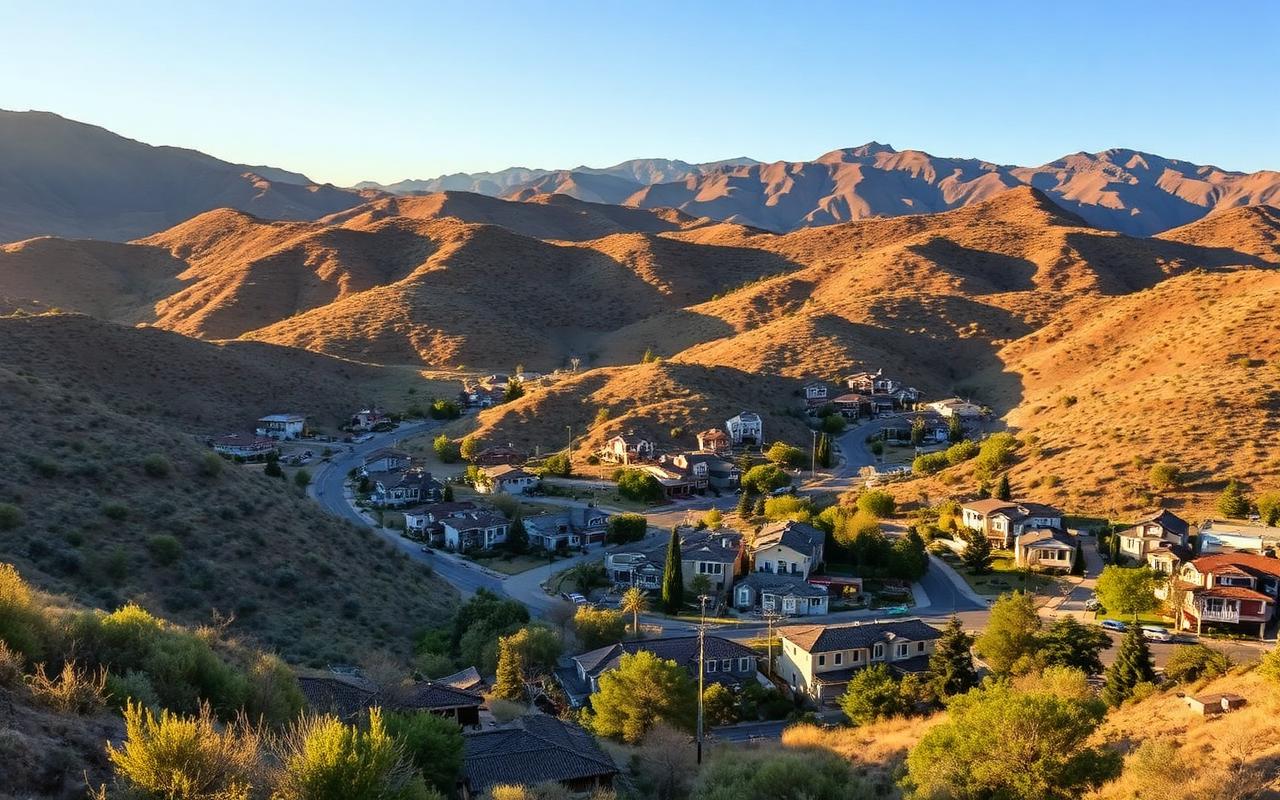
San Bernardino, CA
ZIP 92407
North foothill neighborhoods — Verdemont, Arrowhead Suburban, and the areas above Highway 30 — concentrated foothill fire risk.
View San Bernardino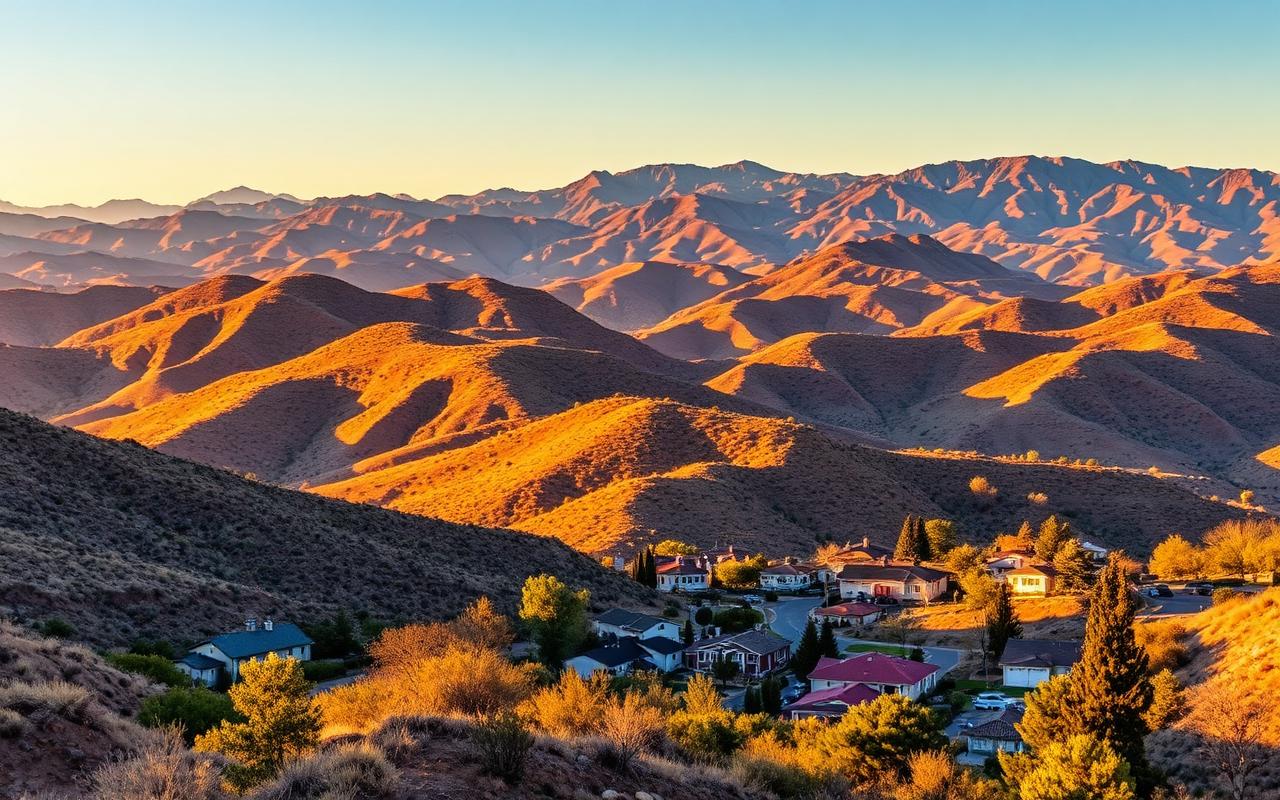
Rancho Cucamonga, CA
ZIP 91737
Alta Loma and north Rancho Cucamonga sit at the base of the San Gabriel Mountains in significant Very High Fire Hazard Severity Zones.
View Rancho Cucamonga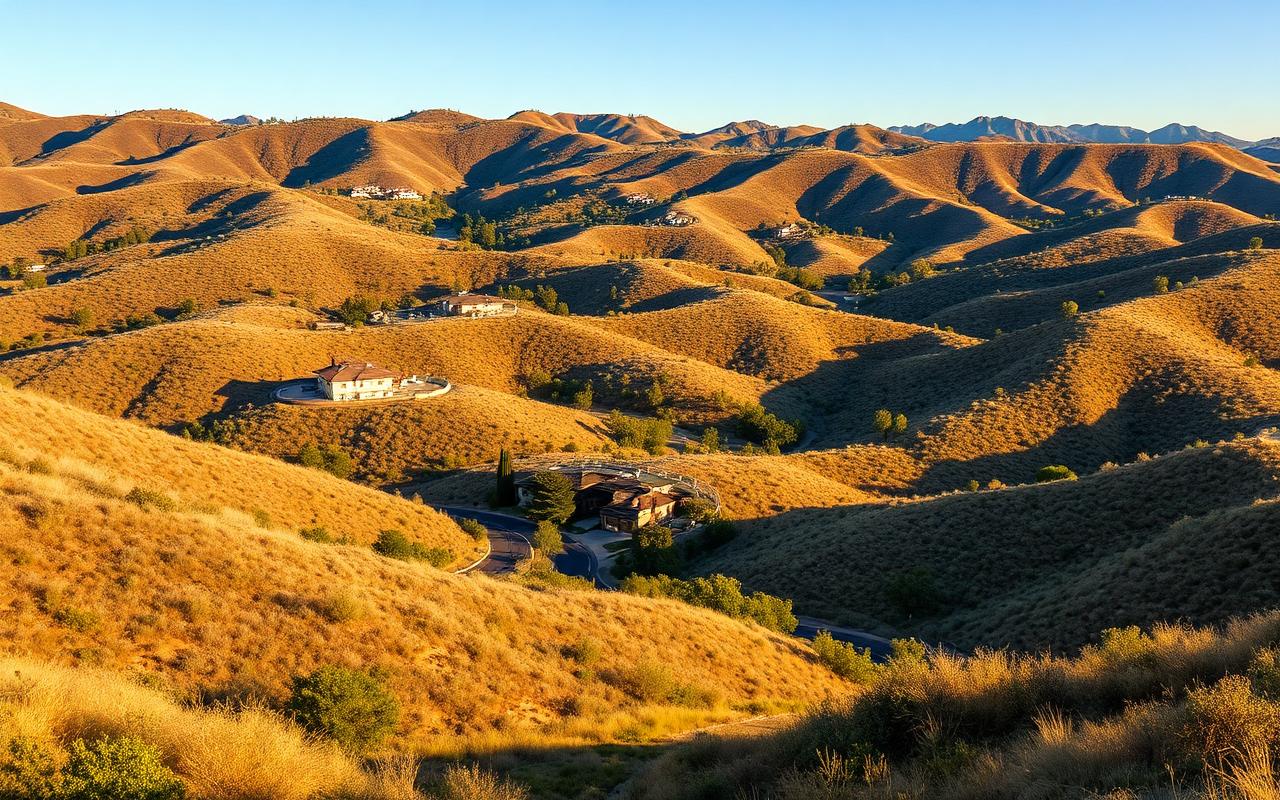
Chino Hills, CA
ZIP 91709
Built across rolling chaparral hillsides — much of Chino Hills sits in VHFHSZ with extensive wildland-urban interface.
View Chino HillsFAQ
Defensible Space Clearing FAQs
Defensible space is the maintained buffer of reduced fuel between your home and surrounding wildland. California Public Resources Code 4291 requires 100 feet of defensible space for properties in State Responsibility Area lands and Very High Fire Hazard Severity Zones, which includes most San Bernardino County foothill parcels. It is the single most effective property-level wildfire mitigation measure.
The 100 feet is measured horizontally from the furthest exterior point of any structure — including decks, attached garages, and outbuildings — outward in every direction. On sloped lots, requirements often extend further on the downhill side because fire moves uphill faster.
Weed abatement under San Bernardino County Code 23.0301 is the annual cutting of weeds, grass, and tumbleweeds. Defensible space under PRC 4291 is broader — it includes weed abatement plus ladder fuel reduction, tree spacing, dead vegetation removal, and Zone 0 hardening. Most VHFHSZ properties need both.
Yes. PRC 4291 applies regardless of lot size if the property sits in a Very High Fire Hazard Severity Zone. The 100-foot zone may extend onto neighboring property — California law allows you to maintain defensible space across property lines with consent.
California treats defensible space as a year-round requirement. Most homeowners need at least one major clearing in spring and one mid-season touch-up. Properties with heavy growth or in active fire-season counties often benefit from quarterly maintenance contracts.
A CAL FIRE inspector walks the perimeter, evaluates Zones 0, 1, and 2 against PRC 4291 standards, and either issues a passing report or an LE-100 notice listing specific corrections required. You typically have 30 days to comply before reinspection and possible referral for citation.
More services
Related services
Get Your Free Defensible Space Estimate
Free on-site assessments from vetted San Bernardino County contractors. Call now or request an estimate.